When we talk about Gaudi architecture Barcelona, we are not only referring to iconic buildings, but to a complete transformation of how the city understands art, nature and urban identity. Antoni Gaudí reshaped Barcelona’s architectural language at a time when the city was redefining itself culturally, socially and economically.
Gaudí’s work goes far beyond aesthetics. His buildings are the physical expression of a historical moment, a creative revolution and a deeply personal vision that still defines modern architecture in Barcelona today.
The historical context behind Gaudí’s work
Barcelona at the end of the 19th century
Barcelona in the late 1800s was a city in transition. Industrialisation, political change and the expansion of the Eixample district created the perfect environment for artistic experimentation. This period gave rise to Catalan Modernism, a movement that sought to break away from academic architecture and embrace craftsmanship, symbolism and innovation.
Gaudí emerged within this context as a unique voice. While many architects followed modernist principles, Gaudí pushed them further, blending Gaudi history, religion, geometry and nature into architectural forms that had never been seen before.
Gaudí and the modernist movement
Although Antoni Gaudí is often described as a modernist architect, his approach was deeply personal. He rejected straight lines, embraced organic forms and believed architecture should feel alive. This philosophy would define his contribution to modern architecture in Barcelona, influencing generations of architects worldwide.
Gaudi design principles that changed architecture
Nature as architectural inspiration
One of the most distinctive elements of Gaudi design is his use of natural forms. Columns resemble tree trunks, staircases evoke seashells and façades flow like living organisms. Gaudí believed nature was the perfect engineer, and he translated its logic into structural solutions.
This approach allowed Gaudí to create buildings that were not only visually striking, but also structurally advanced for their time.
Geometry, light and innovation
Gaudí experimented with catenary arches, hyperboloids and ruled surfaces long before digital tools existed. His use of light was equally revolutionary. Stained glass, open courtyards and carefully calculated openings create constantly changing interiors that respond to the sun.
These innovations place Gaudí among the pioneers of historic buildings that still feel contemporary.
Iconic buildings that define Gaudi architecture Barcelona
Sagrada Família
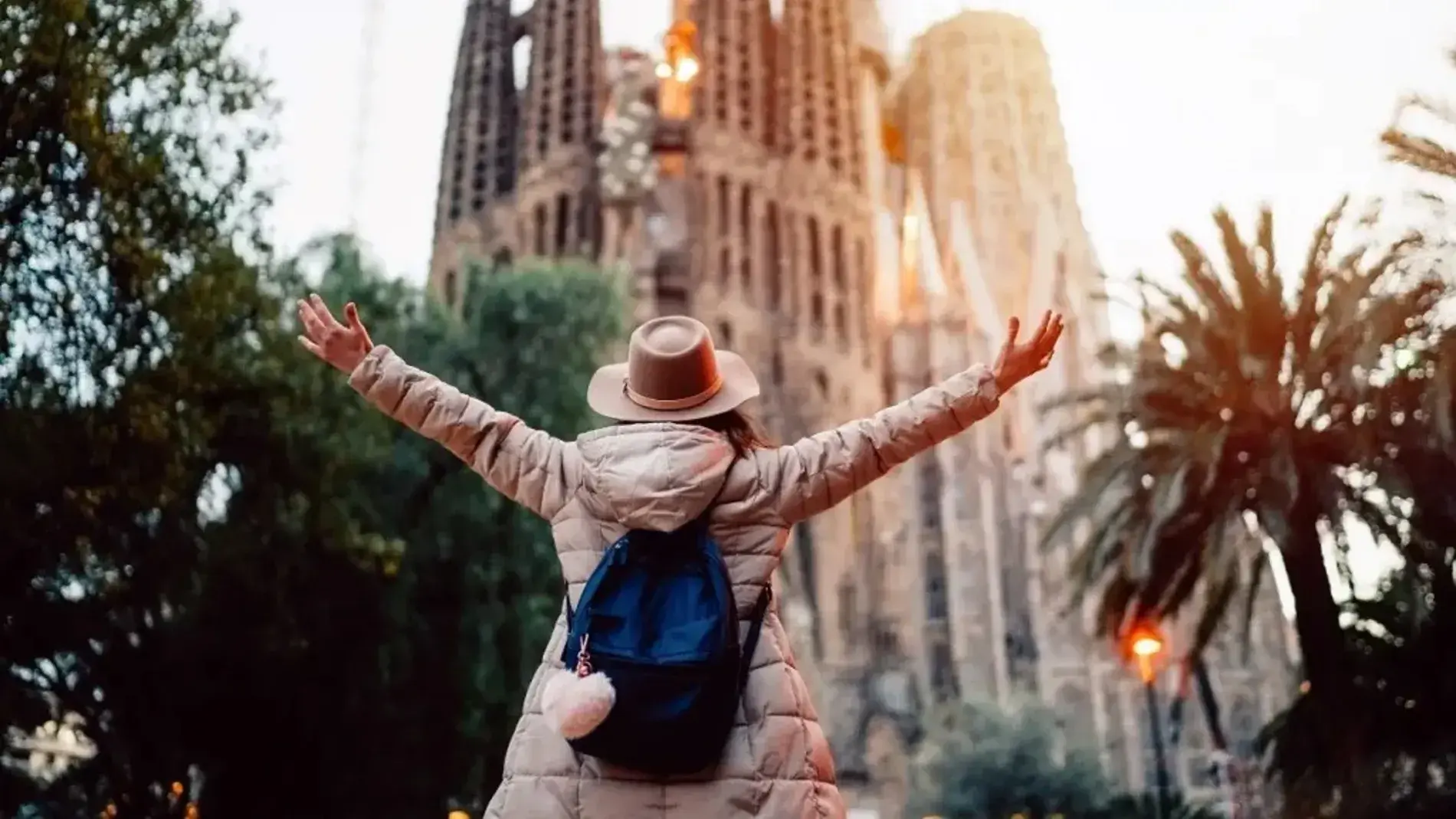
No discussion of Gaudi architecture Barcelona is complete without the Sagrada Família. Conceived as a living project, this basilica represents Gaudí’s spiritual and architectural vision. Its verticality, symbolism and organic structure redefine religious architecture.
Today, it stands as one of the most ambitious historic buildings ever constructed, continuing to influence modern architects around the world.
Casa Batlló and Casa Milà
Casa Batlló transforms a residential building into a living sculpture, while Casa Milà (La Pedrera) breaks conventional ideas of façades and interior layouts. Both reflect Gaudí’s ability to merge functionality with artistic expression.
These buildings are central to understanding modern architecture in Barcelona, as they challenged traditional construction methods and urban norms.
Park Güell
Originally designed as a residential development, Park Güell became one of the city’s most recognisable public spaces. Its integration with the landscape and playful architectural elements illustrate Gaudí’s belief that architecture should be experienced emotionally.
Gaudí’s impact on modern architecture in Barcelona
A lasting architectural legacy
Gaudí’s influence extends far beyond his lifetime. Many contemporary architects in Barcelona draw inspiration from his structural creativity and respect for craftsmanship. His work helped position Barcelona as a global reference for architectural innovation.
The city’s architectural identity cannot be separated from Gaudí’s legacy, which continues to attract architects, designers and travellers seeking authentic travel experiences.
Architecture experienced through guided exploration
Understanding Gaudí’s work requires more than visual admiration. Context, symbolism and historical background bring his buildings to life. Experiencing Gaudí’s architecture through curated tourist experiences allows visitors to connect with the city on a deeper level.
Exploring these sites with expert guides helps reveal hidden details, construction techniques and stories often overlooked by casual visitors. For those interested in immersive architectural journeys, platforms like
https://www.allaboutgauditours.com/
offer experiences designed to connect architecture, history and local insight.
Why Gaudí still matters today
Relevance in contemporary design
Gaudí’s ideas align strongly with current architectural values: sustainability, organic design and human-centred spaces. His work feels remarkably modern because it was rooted in timeless principles rather than trends.
This relevance reinforces why Gaudi architecture Barcelona remains a key reference within global architectural discourse.
Architecture as cultural identity
Gaudí’s buildings are not isolated monuments. They are part of Barcelona’s cultural fabric, shaping how the city is perceived worldwide. His architecture tells the story of a city that values creativity, identity and innovation.
Experiencing Gaudí beyond the buildings
To truly understand Gaudí, one must walk the streets of Barcelona, observe how his buildings interact with their surroundings and learn how history shaped his vision. This holistic approach transforms sightseeing into meaningful travel experiences that connect visitors with the soul of the city.
Gaudi architecture Barcelona represents far more than artistic genius. It reflects a historical moment, a cultural movement and a lasting influence on modern urban design. Gaudí transformed Barcelona into an open-air architectural laboratory, leaving a legacy that continues to inspire and define the city today.
No responses yet